All Regarding Welding Inspection: Trick Benefits for Your Jobs
Welding evaluation plays an essential role in the construction and manufacturing industries. It ensures that welded joints fulfill high quality and safety criteria. By determining issues early, tasks can avoid significant delays and financial losses. Sticking to industry guidelines not just secures the honesty of the end product however also builds depend on amongst stakeholders. Comprehending the nuances of this procedure discloses fringe benefits that can influence task results significantly. What are these advantages?
Understanding the Welding Evaluation Process
Welding is an important part in numerous sectors, the assessment process is necessary to ensure top quality and security. This procedure involves a collection of systematic evaluations made to identify any kind of prospective issues that might jeopardize the honesty of welded joints. At first, inspectors evaluate welding procedures and certifications to validate compliance with sector standards.
Following this, aesthetic copyrightinations are performed to assess the general appearance and surface of welds. Non-destructive screening strategies, such as radiographic or ultrasonic testing, may likewise be employed to discover internal flaws without harming the material. Documents plays a critical role, as it provides a record of findings and assessments, validating traceability and responsibility.
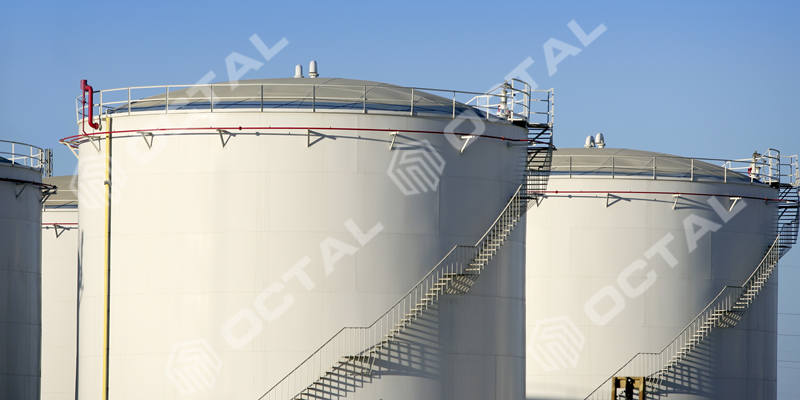
Ultimately, comprehending the welding inspection procedure fosters confidence in the quality of the completed product, reduces the threat of failures, and enhances total task success in numerous applications, from building and construction to manufacturing. API 650 Welding Inspection.
Usual Kinds Of Welding Issues
Welding defects can greatly impact the honesty and performance of bonded frameworks, as they may cause failings under stress or adverse problems. Common sorts of welding flaws consist of cracks, porosity, insufficient combination, and slag inclusion. Fractures can create because of thermal stresses or incorrect air conditioning, endangering the joint's strength. Porosity refers to the visibility of gas bubbles entraped in the weld, which can deteriorate the joint and decrease ductility. Insufficient blend occurs when the weld steel does not correctly bond with the base product, resulting in vulnerable points. Slag incorporation happens when non-metallic pollutants come to be entraped within the weld, resulting in a decrease in architectural stability. Recognizing these defects early with inspection is vital for preserving top quality and ensuring safety and security in bonded structures. Understanding these typical defects allows for enhanced welding techniques and improved project results.
Importance of Conformity With Sector Criteria
Conformity with sector criteria is necessary for keeping structural stability in welding projects. Sticking to these requirements not just reduces obligation threats yet likewise boosts the general quality of the ended up job. This positioning promotes depend on among stakeholders and warranties that predicts satisfy both safety and security and performance assumptions.
Making Sure Architectural Integrity
Guaranteeing architectural stability is critical in any building and construction or manufacturing job, as adherence to sector criteria functions as a structure for security and reliability. Conformity with these criteria guarantees that welding refines satisfy strenuous specs, which is essential for the longevity of frameworks. Routine welding assessments verify that methods and products line up with developed guidelines, stopping prospective failures that might endanger integrity. Furthermore, adhering to sector criteria promotes consistency in top quality, which is crucial for preserving public rely on building and construction methods. By focusing on architectural stability via diligent adherence to standards, organizations can improve the overall efficiency of their tasks, leading to more secure atmospheres and prolonged property lifespans. Ultimately, this commitment shows a proactive method to quality control in welding techniques.
Decreasing Liability Dangers
Following sector standards considerably mitigates responsibility threats linked with welding tasks. Compliance with established guidelines guarantees that welds fulfill security and performance standards, reducing the possibility of failures that could result in mishaps or litigation. This proactive technique not only secures the labor force but also safeguards the financial interests of the firm. Inadequate inspections or low-grade methods can lead to expensive fixings, legal disagreements, and damage to track record. By implementing extensive welding evaluations, firms demonstrate their commitment to high quality and security, eventually minimizing exposure to potential insurance claims. In addition, adherence to laws strengthens trust among stakeholders and customers, as it suggests a dedication to preserving high standards throughout the job lifecycle. Lowering responsibility dangers is crucial for long-term organization sustainability.
Enhancing Project Quality
Strenuous welding copyrightinations not just minimize responsibility threats but also play an essential duty in improving total task quality. By adhering to market criteria, these assessments guarantee that welds fulfill defined standards for toughness, resilience, and safety and security. Conformity with established standards helps recognize problems early, reducing the probability of expensive rework or job hold-ups. Additionally, constant quality assurance fosters count on amongst stakeholders, including clients and regulatory bodies, which can result in duplicate organization and positive references. Inevitably, a commitment to premium welding techniques not only improves the integrity of the last product however likewise maintains the reputation of the organization included. Thorough inspections offer as a keystone for effective and lasting project results.
Effective Advantages of Early Detection of Issues
Early detection of welding concerns supplies substantial benefits, specifically concerning expense financial savings on fixings. By determining troubles before they rise, organizations can boost the architectural honesty of their jobs. This positive approach not only decreases financial expenditures yet also advertises safety and reliability in welded frameworks.
Price Cost Savings on Services
Finding welding problems without delay can result in significant price financial savings on fixings. Early identification of problems enables targeted interventions, lessening the degree of damages and preventing pricey, substantial fixings later on. When problems are addressed during the initial stages of a task, sources are used a lot more successfully, minimizing both labor and material expenses. In addition, prompt inspections can avoid project delays, which typically sustain added expenses. By fixing concerns early, firms can avoid the monetary worry connected with rework, warranty cases, and potential safety and security risks. Eventually, buying proactive welding inspections fosters a more economical approach to job management, ensuring that spending plans continue to be intact while keeping the top quality and integrity of the end product.
Enhanced Structural Honesty
Making certain the structural stability of welded parts pivots on the prompt identification of prospective concerns. Early detection during the welding assessment process permits the immediate correction of defects such as fractures, spaces, or improper combination. more Addressing these problems promptly not just boosts the toughness and longevity of the weld however also minimizes the danger of devastating failures during the service life of the structure. Regular assessments add to an extra trustworthy analysis of weld quality, ensuring compliance with industry standards. By prioritizing welding inspections, task managers can keep a greater level of safety and efficiency, inevitably causing effective task outcomes. Improved architectural honesty mirrors the commitment to high quality and adherence to best methods in welding.
Cost-Effectiveness of Welding Inspections
While lots of firms might view welding inspections as an extra expense, they frequently check that verify to be a cost-efficient financial investment in the long run. By recognizing problems early, these assessments can avoid costly fixings or substitutes that may emerge from undetected concerns. This proactive method not just conserves money but additionally lessens task hold-ups, making certain that timelines are complied with.

High-grade welding assessments contribute to improved effectiveness, leading to fewer rework instances and boosted efficiency. The reduction in product waste and labor costs linked with redesigning faulty welds includes to the monetary advantages.
Spending in thorough evaluations Our site likewise improves the general quality of the final product, which can result in increased customer satisfaction and repeat organization. Eventually, the preliminary expenses connected with welding assessments are typically exceeded by the lasting savings and benefits they give, making them a wise selection for any type of welding task.
Enhancing Safety And Security and Dependability in Welding Projects
Welding inspections play a necessary duty in boosting security and reliability within welding tasks, as they systematically identify prospective dangers and weak points in welds. By using certified inspectors, organizations can assure that welding procedures stick to industry requirements and governing needs. This aggressive strategy reduces the threat of weld failings, which can cause accidents, costly fixings, and project delays.
In addition, evaluations provide important paperwork that verifies compliance and quality guarantee, fostering depend on between stakeholders. Normal evaluations throughout different job phases permit the prompt discovery of concerns, allowing rehabilitative actions prior to they intensify. In addition, the insights gained from evaluations add to continuous enhancement in welding practices, enhancing overall project end results. Eventually, robust welding evaluation procedures not just safeguard workers however additionally guard investments, assuring that tasks are finished effectively and meet the highest possible safety and security and integrity requirements.
Often Asked Inquiries
What Qualifications Should a Welding Assessor Have?
A welding copyrightiner need to have relevant qualifications, such as Certified Welding copyrightiner (CWI), together with substantial expertise of welding processes, codes, and materials. API 650 Welding Inspection. Experience in the field and solid analytical skills are likewise important for efficient inspections
Just How Typically Should Welding Inspections Be Performed?
Welding evaluations need to be performed frequently, commonly previously, during, and after the welding process. The regularity might rely on task specs, governing needs, and the intricacy of the welds to ensure structural stability and security.
Can Welding Inspections Be Performed Remotely?
Welding assessments can indeed be performed remotely, utilizing sophisticated technologies such as drones, video cameras, and ultrasonic testing tools - API 650 Welding Inspection. This method permits reliable monitoring while minimizing the demand for physical presence at the site
What Tools Are Made Use Of in Welding Inspections?
Welding copyrightinations use numerous devices, consisting of ultrasonic testers, magnetic particle testers, visual assessment devices, radiographic tools, and calipers. Each tool serves a certain objective to guarantee weld integrity, quality, and conformity with industry standards.
How Do I Choose a Welding copyrightination Solution?

To pick a welding copyrightination solution, one ought to review certifications, experience, and certifications. Furthermore, evaluating client reviews and requesting in-depth service descriptions can assist assure the selected solution fulfills details task demands effectively.
By prioritizing welding inspections, task managers can preserve a higher level of security and performance, eventually leading to successful task results. Welding copyrightinations play a crucial role in enhancing safety and security and reliability within welding projects, as they systematically identify prospective dangers and weak points in welds. A welding copyrightiner ought to possess relevant certifications, such as Certified Welding Inspector (CWI), along with considerable knowledge of welding products, codes, and procedures. Welding assessments should be carried out on a regular basis, normally previously, during, and after the welding process. Welding inspections utilize different tools, including ultrasonic testers, magnetic bit testers, visual evaluation tools, radiographic devices, and calipers.